Since its establishment in 2017, the Center of Excellence in Petroleum and Gas Engineering and Technology Studies (CS-OGET) at Eduardo Mondlane University (UEM) has become a cornerstone for higher education, research, and capacity development in Mozambique and Southern Africa. Responding to the growing demands of the energy and extractive sectors, CS-OGET has developed high-level skills and innovative solutions tailored to Africa’s needs.
Academic Excellence and Human Resource Development
CS-OGET has launched six specialized master’s programs, including Petroleum Engineering, Hydrocarbon Processing Engineering, and Sustainable Mining, enrolling over 800 students, 44 of whom are from regional countries like Rwanda and Zimbabwe. Notably, more than 100 women have joined, promoting gender balance in STEM fields. The center also supports two PhD programs—Energy Science and Technology and Hydrocarbon Geoscience and Technology—with 25 candidates currently enrolled, including four women.
Additionally, over 300 professionals have benefited from short-term certified courses in areas such as Occupational Health and Safety (NEBOSH certifications), drilling operations, and LNG trade dynamics. These programs equip participants with practical, industry-relevant skills.
Advancing Scientific Research
CS-OGET has spearheaded 10 major research projects, collaborating with institutions like the University of Dar es Salaam and the University of Pretoria. Projects range from monitoring hydrocarbon residues in Mozambique’s ports to developing biodegradable lubricants and exploring CO₂ storage alternatives. These efforts have resulted in over 30 peer-reviewed articles published in high-impact journals, solidifying the center’s reputation as a research leader.
Quality Assurance and Recognition
Four master’s programs have been accredited by Mozambique’s National Council for Quality Assurance (CNAQ), with two more undergoing regional accreditation. CS-OGET’s participation in the PASET benchmarking process contributed to UEM’s ranking as 27th in the 2023 Times Higher Education ranking in Africa. The center has also supported UEM’s internationalization strategy, awarding 33 regional scholarships and increasing foreign student enrollment to 15.6% between 2016 and 2023.
Industry Partnerships and Regional Collaboration
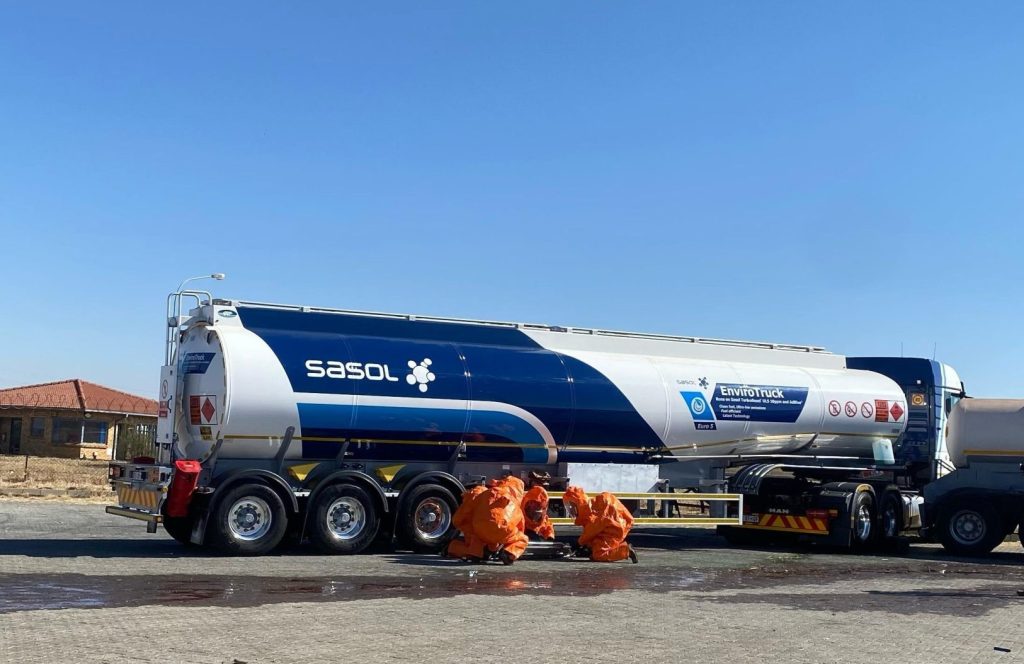
CS-OGET has forged strong partnerships with industry leaders like TotalEnergies, SASOL, and ExxonMobil, co-developing curricula and providing scholarships, internships, and technical assistance. For example, the Petroleum Engineering program was designed in collaboration with Anadarko and U.S. universities, while the Hydrocarbon Processing Engineering program was developed with SASOL and South African institutions.
Regionally, CS-OGET has signed agreements with organizations like SONIDEP and EMIG in Niger, enrolling 12 Nigerien students in UEM master’s programs. It also co-developed the Sustainable Mining Master’s Program with institutions in Zambia and South Africa, while supporting faculty development at Mozambique’s ISPT, where four faculty members are pursuing PhDs at UEM.
Extension Services and Consulting
The center has provided technical support to strategic initiatives, including capacity-building projects for the African Union, feasibility studies for LNG business models, and environmental analyses of wastewater treatment plants. These efforts demonstrate CS-OGET’s commitment to addressing real-world challenges in the energy sector.
Governance, Infrastructure, and Sustainability
CS-OGET has generated over $1.8 million in external revenue, ensuring financial sustainability. Its participatory governance model aligns with national and sector priorities, involving university organs, ministries, and industry partners. Infrastructure upgrades include refurbished classrooms, laboratories, and simulation rooms, as well as high-capacity servers that now handle 50% of UEM’s data processing needs.
Staff Development
The center has invested heavily in capacity building, training 27 academic and technical staff. This includes seven PhD graduates, six master’s graduates, and 12 professionals who completed short-term training programs.
As ACE II funding concludes in 2025, CS-OGET faces the challenge of consolidating its achievements while expanding its impact through financial sustainability, innovation, and continued regional collaboration.