On the lush, lakeside campus of Jaramogi Oginga Odinga University of Science and Technology (JOOUST), a modest building houses a ground-breaking initiative – the Insect Repository. Established in 2023 by INSEFOODS, the African Centre of Excellence in Sustainable Use of Insects as Food and Feeds, the repository is transforming how the region understands and utilizes insects for food security, animal feed, and environmental sustainability.
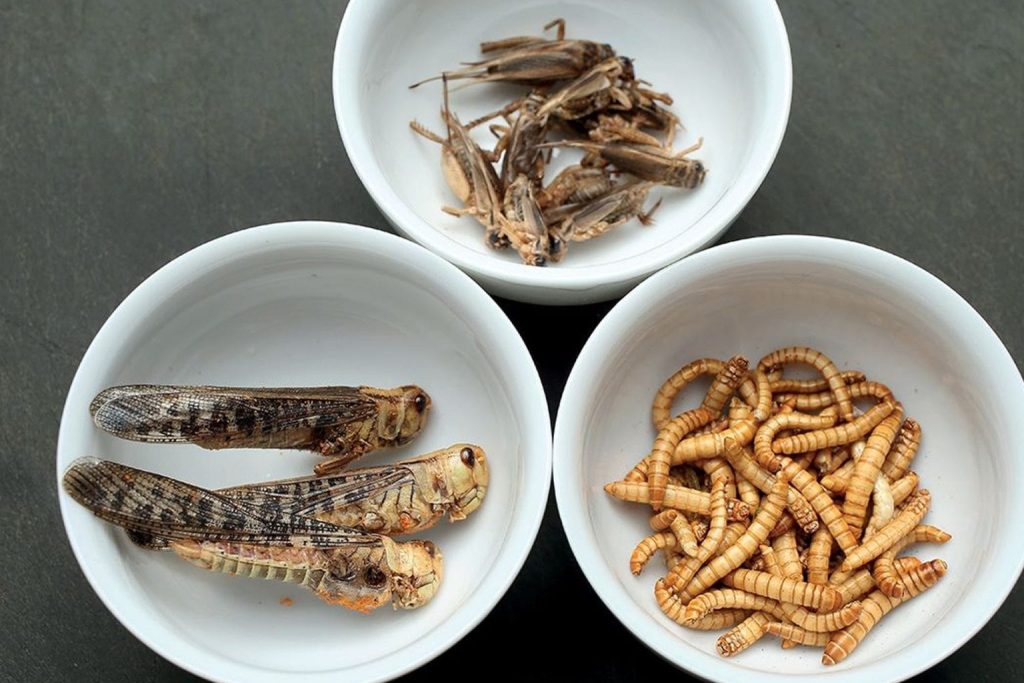
The repository was created to collect, preserve, and study insect biodiversity across Kenya and beyond, with a focus on species valuable for nutrition, farming, and organic waste recycling. Among the specimens are black soldier fly larvae, crickets, and termites—organisms with vast potential in circular economies.
Beyond research, the repository plays a vital educational role. It welcomes students, researchers, farmers, teachers, and curious children from nearby communities, offering hands-on learning opportunities and a window into the world of insects.
With technical support from the National Museums of Kenya (NMK), JOOUST upgraded a dedicated room into a fully functional repository, divided into four sections: a dry specimen room, wet collection storage, a working area, and an organized store room. Equipment includes insect display drawers, movable tables, insect cabinets, and climate control systems.
Capacity building has been central to the repository’s development. Two JOOUST lecturers and two lab technicians received specialized training in insect collection, documentation, preservation, pest management, and data publishing. Standards were established for labeling, transporting, and handling field-collected samples.
The repository’s collections are continually expanding. Collaborative field surveys with NMK and the Ministry of Agriculture have identified and documented edible insect species across Kenya’s regions, bridging traditional ecological knowledge and scientific inquiry.
The impact goes far beyond JOOUST. The repository supports curriculum development in biological and environmental sciences, informs policymaking on sustainable agriculture, and fosters cross-border academic collaboration. It is positioning JOOUST as a regional hub for entomology and sustainable innovation.
As global demand for alternative proteins grows and environmental challenges mount, this small but mighty facility on the shores of Lake Victoria offers a compelling model of how science, tradition, and community can intersect for a more sustainable future.
Learn more at: https://insefoods.jooust.ac.ke